
Summary
Weatherstripping is a reasonable first step for a drafty door, but in Central New York, it’s rarely a lasting fix. Freeze-thaw cycles warp frames, foundation settling shifts doors out of alignment, and older hollow-core doors conduct cold straight through the surface. When the structure itself is the problem, the only real solution is a properly insulated entry door, professionally installed in a sealed frame. This post covers why doors get drafty, when weatherstripping falls short, and how to tell it’s time to replace rather than patch.
| Time to Read | ~7 minutes |
| What You’ll Learn |
|
| Next Steps |
|
It’s the middle of January in Syracuse, the furnace hasn’t stopped running all day, and you can feel cold air creeping in around the front door. Sound familiar? If you’re like most Central New York homeowners, your first instinct is to grab a roll of weatherstripping from the hardware store and hope for the best.
Weatherstripping is a good first step, and it’s one most homeowners flock to before calling in the experts. But it’s often a temporary patch on a much bigger problem. If your door is old, warped, or sitting in a frame that’s shifted over the years, no amount of foam tape is going to fix the real issue. As a homeowner, it’s important that you understand why doors get drafty, when and where weatherstripping works (and when weatherstripping alone won’t cut it), and how to tell when it’s time to stop patching and start replacing.
And Patriot Home Solutions is here to answer those questions for you.
Why Doors Get Drafty in Central New York
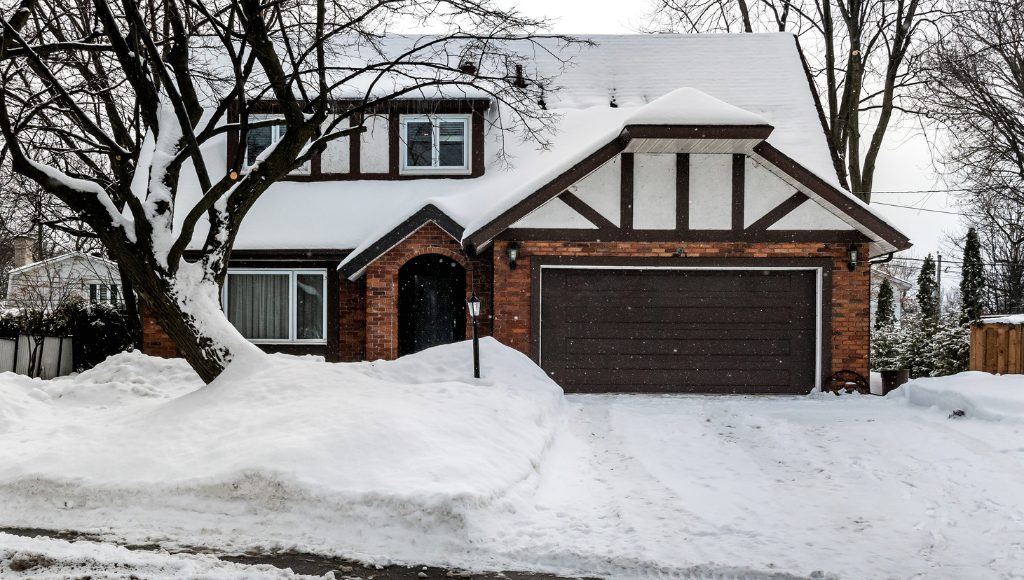
Central New York’s climate is particularly hard on doors and door frames. The constant cycle of freezing and thawing throughout winter causes wooden frames to expand and contract with moisture and temperature changes. Over the course of several years, that repeated movement warps the frame out of square, and once the frame isn’t square, the door can’t form a tight seal, no matter how carefully it’s closed.
Weatherstripping takes a beating, too. After years of daily use, temperature swings, and sun exposure, it will start to crack, harden, and lose its ability to spring back into shape. Door sweeps wear down from rubbing against the threshold every time the door opens and closes, and the gap at the bottom gets a little wider every season.
Foundation settling is another thing that many homeowners overlook. Plenty of homes in the Syracuse area were built between the 1950s and early 2000s, and decades of settling can shift the entire door frame just enough that the door no longer sits flush when it’s closed. The result is a collection of gaps that let cold air pour in and heated air escape all winter long.
None of this reflects poor maintenance on your part. It’s just what happens when weather and time work together on the materials around your door.
Why Weatherstripping Alone Won’t Fix the Problem
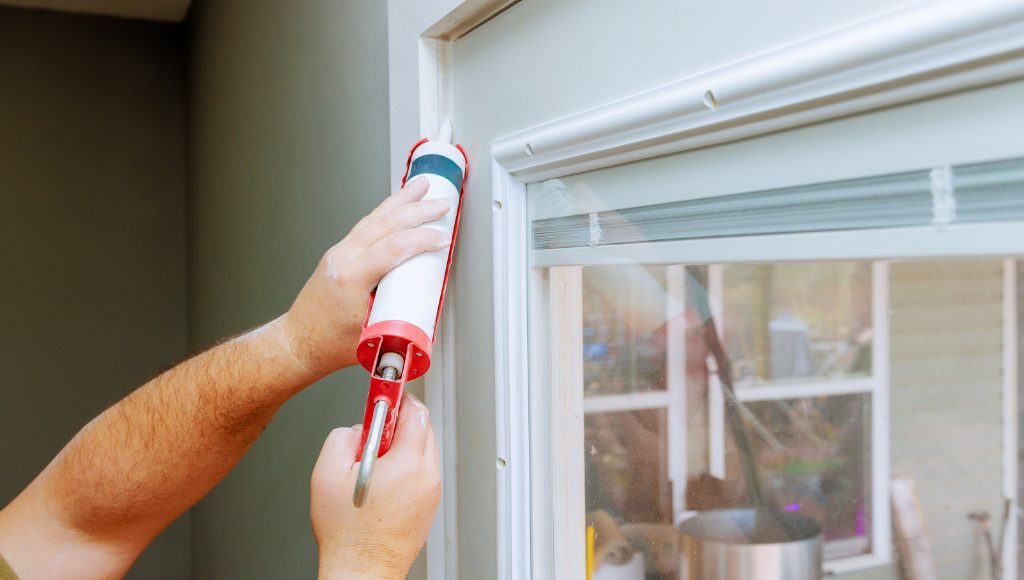
Weatherstripping does one job: it fills the gap between the door and the frame with a compressible material that blocks airflow. When the door and frame are both in good shape, it works well. But when the underlying structure has problems, weatherstripping hits limitations it wasn’t designed to overcome.
The Frame and Alignment Issue
Once a frame warps or a door shifts out of its original alignment, gaps will open up that no strip of foam or rubber can fully close. The shape of the opening itself has changed, and a flexible seal can only compensate so much before it leaves exposed areas at the corners or along the hinge side.
Adhesion Failure in Cold Weather
The adhesive-backed weatherstripping that most people pick up at the hardware store is convenient, but it loses adhesion in cold temperatures. The adhesive stiffens, the backing peels away from the frame, and the seal fails right when you need it most, during the coldest stretches of a Central New York winter.
Thermal Conductivity Through the Door Itself
Even if you manage to seal every gap around the edges perfectly, weatherstripping doesn’t address the door itself. An old, thin, hollow-core, or single-layer door conducts cold straight through its surface. You can feel it when you place your hand flat against the door on a cold night. That thermal transfer has nothing to do with air leaks, and weatherstripping can’t do anything about it.
When DIY Fixes Make Things Worse
We know how tempting it can be to keep layering on weatherstripping or caulking every gap you can find, but these fixes can (and often do) backfire. Too much weatherstripping prevents the door from closing properly, and caulk applied in the wrong spots can trap moisture between the frame and the wall, which eventually leads to rot and mold.
Weatherstripping is a maintenance step, not a solution, when the door or the frame is the real source of the problem.
Signs It’s Time to Replace the Door
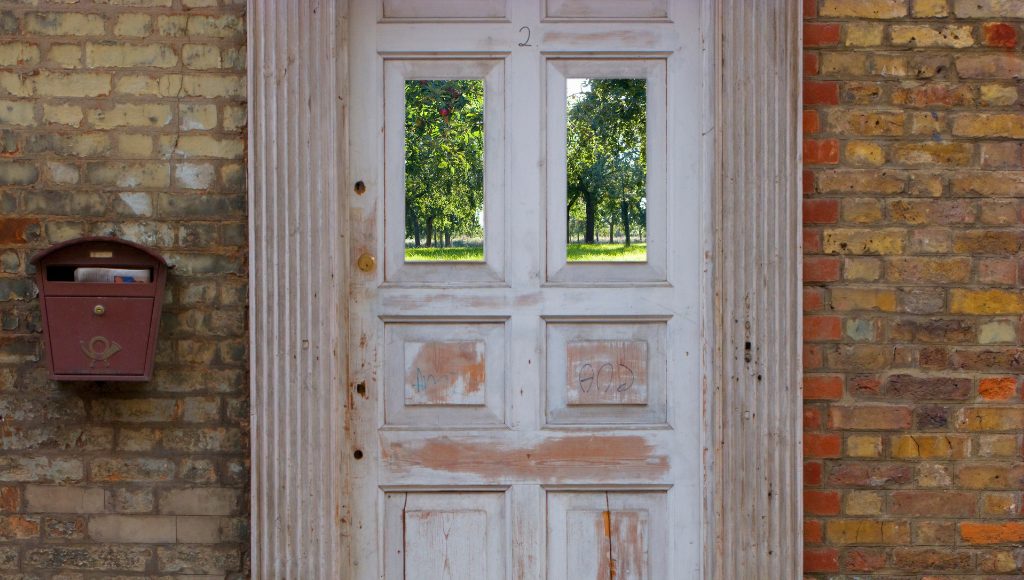
So how do you know when you’ve crossed the line from “needs new weatherstripping” to “needs a new door”? There are several clear indicators you can check on your own:
- Visible daylight around the edges. Close the door during the day and look at the edges from inside. If you can see daylight coming through, the gaps are too large for weatherstripping to handle effectively.
- The door sticks, won’t latch, or swings on its own. These are signs that the frame has shifted and the door is no longer hanging true.
- Frost or condensation on the interior surface. If you’re seeing frost or heavy moisture on the inside of your door during winter, the door itself isn’t providing adequate thermal separation between inside and outside.
- Drafts persist after replacing the weatherstripping. If you’ve already tried fresh weatherstripping and still feel cold air, the problem is deeper than the seal.
- The door is more than 20 years old. Older doors, especially hollow-core or single-layer designs, don’t perform as well as modern insulated doors.
- The frame is visibly warped, cracked, or pulling away from the wall. At this point, even the door’s structural integrity may be compromised.
If you’re noticing two or more of these signs, a replacement is almost certainly going to save you more money and frustration than another round of patches.
What to Replace It With
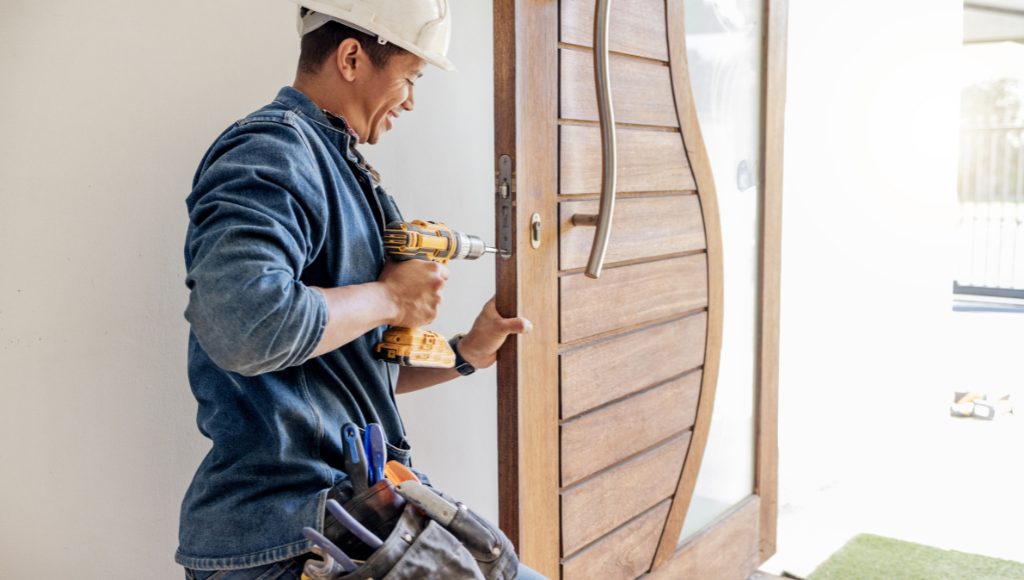
Modern entry doors are a major upgrade over what was standard even 15 or 20 years ago. The two most popular options for Central New York homeowners are insulated fiberglass and insulated steel.
| Feature | Insulated Fiberglass | Insulated Steel |
| Durability | Highly resistant to warping, cracking, and moisture | Extremely strong and impact-resistant |
| Energy Efficiency | Excellent thermal performance with foam core | Excellent thermal performance with foam core |
| Weather Resistance | Won’t swell or rot in freeze-thaw cycles | Resistant to extreme temperatures |
| Style Options | Wide range of styles, can mimic wood grain | Clean, modern appearance |
| Maintenance | Low maintenance, doesn’t need repainting often | May need repainting if scratched |
| Price Point | Mid-range to premium | Budget-friendly to mid-range |
Beyond the door material itself, two features are worth paying attention to:
- Factory-installed weatherstripping systems. These are engineered specifically for the door they come with and perform significantly better than aftermarket stick-on strips.
- Multipoint locking systems. Unlike a single deadbolt, a multipoint lock engages at several points along the frame and pulls the door tight against the seal at each one. The improvement in air sealing is noticeable immediately.
Installing new doors shouldn’t be something you take on yourself. Professional installation matters more than most people realize, and DIY should be reserved for other things within the home because a high-performance door installed in a poorly prepped frame will still leak.
The Energy Impact of a New Door

Your exterior doors are among the largest openings in your home’s building envelope, and a drafty door can account for a surprising amount of heat loss during a Central New York winter. Replacing an old, leaky door with a properly insulated and sealed one reduces air infiltration at that opening.
Most homeowners notice the difference almost right away. The cold spot near the front door disappears, the rooms closest to the entry feel warmer and more consistent, and over time, the reduction in heating demand shows up in the form of lowered energy bills. And, if your entryway tends to be exposed to wind, adding a quality storm door along with your new entry door creates an extra air buffer that reduces thermal transfer even more.
Pair Your New Door With a Blower Door Test
Replacing a drafty door solves one major leak, but most homes have several others that go unnoticed. If you’ve noticed any of the following, it might be time to schedule a blower door test:
- Aging windows
- Gaps at the rim joist in the basement
- Poorly sealed attic hatches
- Air leaks around electrical and plumbing penetrations.
A blower door test uses a calibrated fan to depressurize your home and measure exactly how much air is escaping and where. It takes the guesswork out of energy efficiency by giving you a complete picture of your home’s envelope performance.
Scheduling a blower door test alongside a door replacement makes a lot of sense. You’re already addressing the biggest leak, and the test will reveal whether there are other areas worth tackling at the same time. Patriot Home Solutions offers energy audits and blower door testing, along with door and window replacements, so homeowners can take a comprehensive approach rather than chasing one problem at a time.
Rebates and Incentives That Can Help With the Cost

New York homeowners may be eligible for financial assistance to help offset the cost of energy-efficiency improvements, including door replacements and air-sealing work.
- NYSERDA incentives. The New York State Energy Research and Development Authority offers funding programs for qualifying energy-efficiency upgrades in residential homes.
- Federal energy efficiency tax credits. Qualifying exterior door replacements may be eligible for federal tax credits designed to encourage energy-efficient home improvements.
Program details and eligibility requirements for these incentives can change over time, so be sure to check current availability before starting a project. Patriot Home Solutions can help homeowners understand what incentive programs may apply to their specific situation.
Ready to Fix the Draft for Good?
Weatherstripping has its place as a temporary maintenance step, but if your door is old, warped, or set in a shifted frame, it won’t solve the underlying problem. In Central New York’s climate, a properly insulated and professionally installed entry door is the only long-term fix for persistent drafts and the energy waste that comes with them.
Patriot Home Solutions provides free, no-obligation door replacement estimates for homeowners in Syracuse, Liverpool, Camillus, and communities across Central New York. If you’re tired of fighting drafts every winter, contact us today or call to schedule your estimate.