
Summary
New York’s brutal winters create unique challenges for homeowners, especially when it comes to energy costs. Lake-effect snow, prolonged freezing temperatures, and freeze-thaw cycles put older homes under constant strain, and most of the damage to your energy bill is invisible. Failing window seals, drafty doors, settled attic insulation, and hidden air leaks quietly drive up your National Grid bill month after month. If you’re a Central New York homeowner, understanding these risks is key to staying comfortable and keeping costs under control year-round.
| Time to Read | ~6 minutes |
| What You’ll Learn |
|
| Next Steps |
|
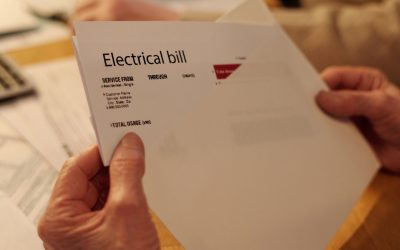
If you’ve opened a National Grid bill this winter and felt your stomach drop, you’re not alone. Homeowners across Central New York, including those in Syracuse, Liverpool, Baldwinsville, and Fayetteville, are routinely seeing heating bills that seem impossible to justify. The frustrating part is that the thermostat didn’t change. So why did the bill?The answer almost always comes back to one thing: your home is losing conditioned air faster than your heating system can replace it. And in Central New York, that problem is more expensive than almost anywhere else in the country.
Why Energy Bills Spike in Central New York
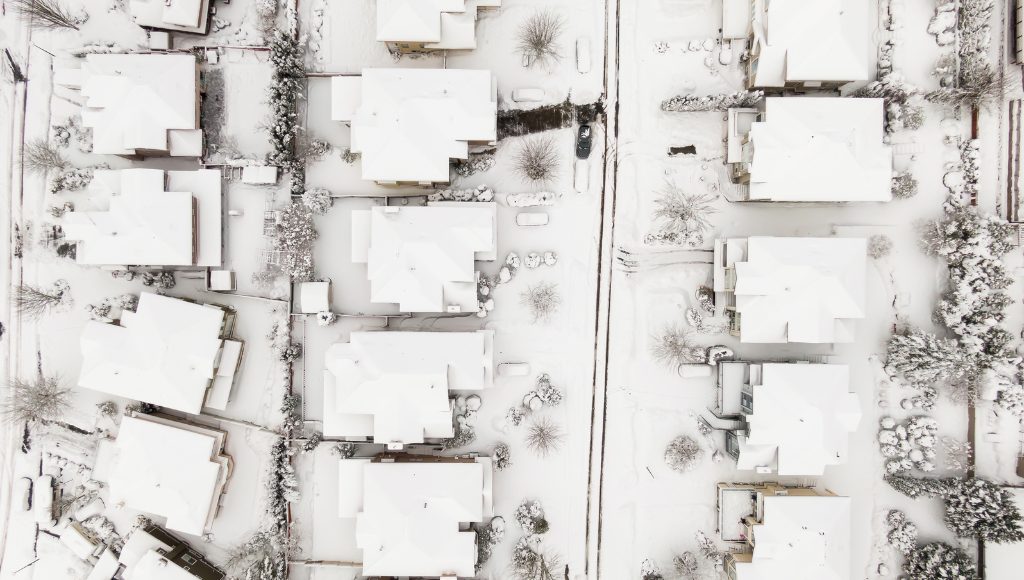
Central New York winters are cold, long, and relentless. Temperatures in the Syracuse area regularly dip into the single digits in January and February, and wind chill off Lake Ontario can push the “feels like” temperature well below zero. That kind of cold can put your home’s thermal envelope under extreme stress for five or more months at a stretch.
Then there’s the housing stock. A big portion of Central New York homes were built between 1940 and 1985, decades before modern energy codes required meaningful insulation levels, airtight construction, or high-performance windows. These homes were built for the materials and budget of their era, not for today’s energy prices.
The result is a compounding problem of extreme climate conditions meeting aging construction, with you paying the difference on your monthly National Grid bill.
The Biggest Energy Wasters in Your Central New York Home
Energy loss doesn’t announce itself. It happens quietly, continuously, and in places most homeowners never think to look. Here are the biggest culprits we find in Central New York homes:
| Energy Waster | What’s Happening | Signs to Watch For |
|---|---|---|
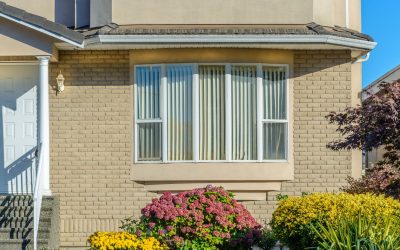
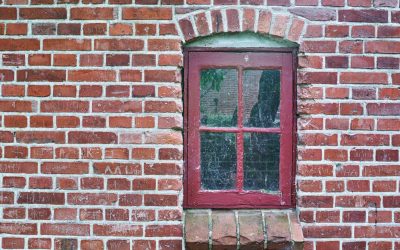
| Old or Failing Windows | Single-pane glass has almost no insulation value. Double-pane windows lose their gas seal over time, eliminating the insulating buffer. ENERGY STAR data shows replacing single-pane windows saves an average of 13% on heating and cooling costs. | Fogged or cloudy glassCold drafts near window framesCondensation between panes |
| Drafty Doors | Weatherstripping compresses and cracks with age. Door thresholds warp. Missing or ill-fitting storm doors compound the problem, turning every entry into a source of steady heat loss. | Air movement felt near door edgesVisible daylight around door frameFloor drafts near entry |
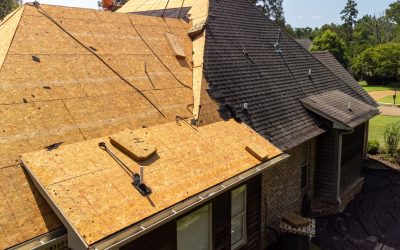
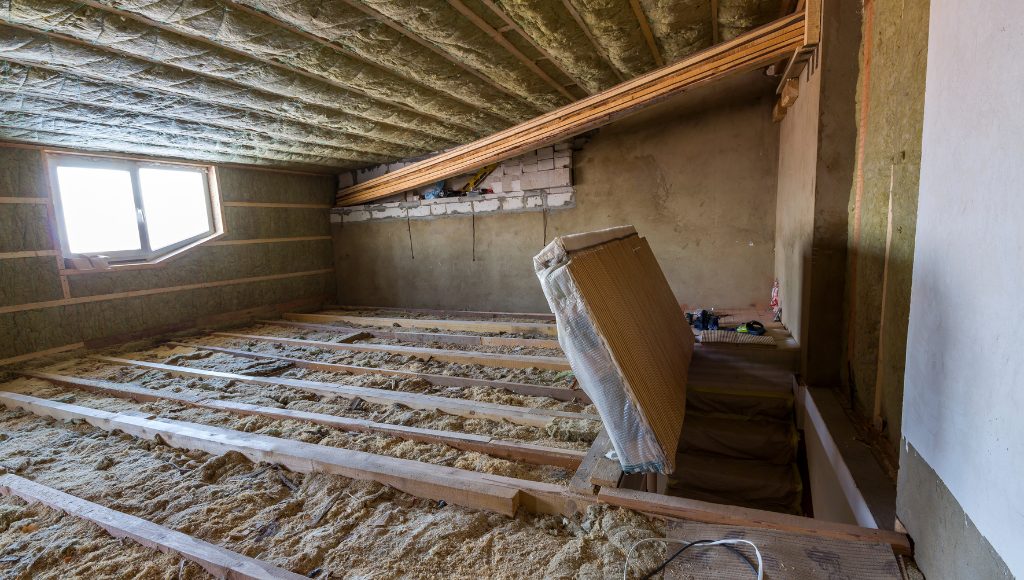
| Poor Attic Insulation and Ventilation | Heat escapes through the roof when attic insulation has settled or absorbed moisture. Poor ventilation leads to ice dams, which back water under shingles and further degrade insulation over time. | Ice dams at eavesUneven snow melt on roofHigh heating bills despite a working furnace |
| Hidden Air Leaks | Gaps around electrical outlets, plumbing penetrations, recessed lights, and attic hatches allow a constant flow of conditioned air to escape. These leaks are invisible and easy to overlook, but add up to a significant share of total heat loss. | Rooms that never feel warmCold outlet covers on exterior wallsStuffy air or unusual dust buildup |
How Gutters Factor Into Your Energy Bill
You might be asking yourself, “What do gutters have to do with energy costs?” And the answer is, more than most people realize.
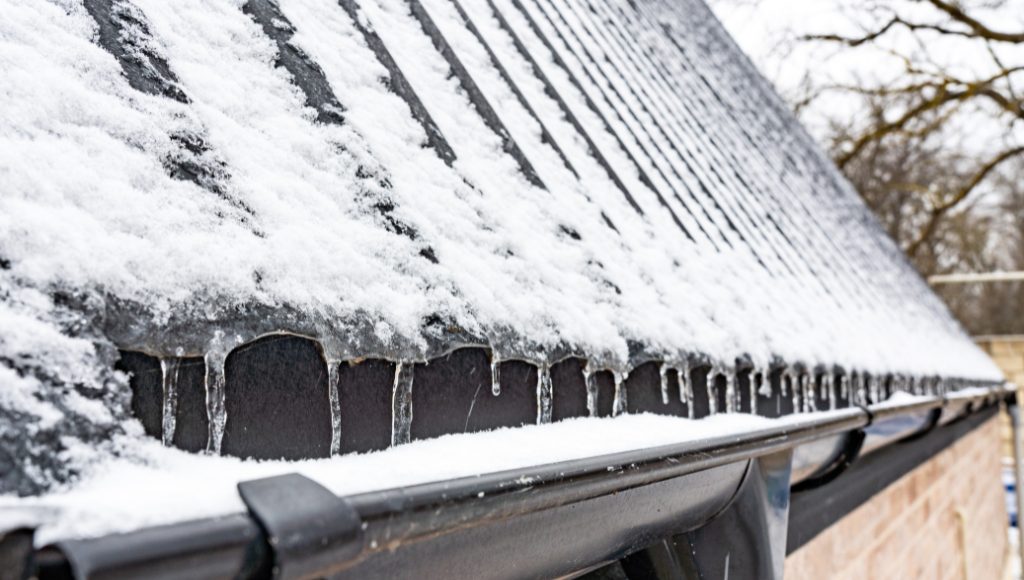
When gutters are clogged or damaged, water overflows and pools at the roofline, contributing to ice dams. As ice dams form and water backs up under shingles, it often finds its way into the attic, soaking insulation and reducing its R-value. Wet insulation can lose more than half its effectiveness, and it may not dry out until warmer weather, meaning you’re paying to heat a poorly insulated home for months without knowing why.

How to Start Lowering Your Energy Bill: A Practical 4-Step Approach
The good news is these problems are fixable, you just have to know exactly where your home is losing energy before you spend a dollar on upgrades. Here’s the process we walk every homeowner through:
- Get a Blower Door Test
A blower door test is the foundation of any serious energy efficiency plan. A powerful fan is temporarily mounted in an exterior door opening to depressurize your home, forcing outside air in through every crack and gap and making leaks detectable. You get a precise picture of where your home is losing air, not just a guess.
- Prioritize Fixes Based on Results
Once you have real data, you can make smart decisions. Not every home needs new windows first. Some homes leak far more through air infiltration or attic bypasses. A proper energy assessment tells you where your biggest opportunities are, so you’re not spending money on low-impact improvements while the real problems go unaddressed.
- Upgrade Windows and Doors to ENERGY STAR Products
When it’s time for windows and doors, ENERGY STAR certification matters, especially in a climate like ours. ENERGY STAR products for the Northern climate zone are tested for performance in extreme cold. Look for features like low-E coatings, argon gas fill between panes, and warm-edge spacers.
- Inspect Roof and Gutters to Prevent Ice Dams and Insulation Damage
Have your roof inspected for signs of wear, granule loss, or areas where heat is clearly escaping. Make sure gutters are clean, properly pitched, and draining away from the home, and address any existing ice dam damage before it quietly destroys your attic insulation over multiple winters.
Why Patriot Takes a Whole-Home Approach
A lot of home improvement companies will sell you windows. Or they’ll replace your roof. Or they’ll do doors. What’s rarer, and far more valuable to you as a homeowner, is a company that looks at all of it together.
At Patriot Home Solutions, we assess windows, doors, roofing, gutters, and insulation as a connected system, because that’s exactly what they are. Replacing your windows without addressing attic air leaks is like patching one hole in a leaky bucket. You’ll see some improvement, but you’re leaving significant savings on the table.
We also offer blower door testing and full energy audits, which means we can give you real data, not just opinions, before you make any decisions. Our goal is to help you spend your improvement budget where it actually moves the needle on your energy bill.

Rebates and Incentives That Help Offset the Cost
One of the most common things we hear from homeowners is, “I know I should upgrade my windows, but I’m not sure I can afford it right now.” What most people don’t know is that financial help is available, but navigating it alone can be confusing. Patriot Home Solutions can help there, too. Here’s a quick overview:
| Program | Benefit | Who Qualifies |
|---|---|---|
| NYSERDA Home Performance | Rebates up to $2,000 on qualifying energy improvements | Most NY homeowners |
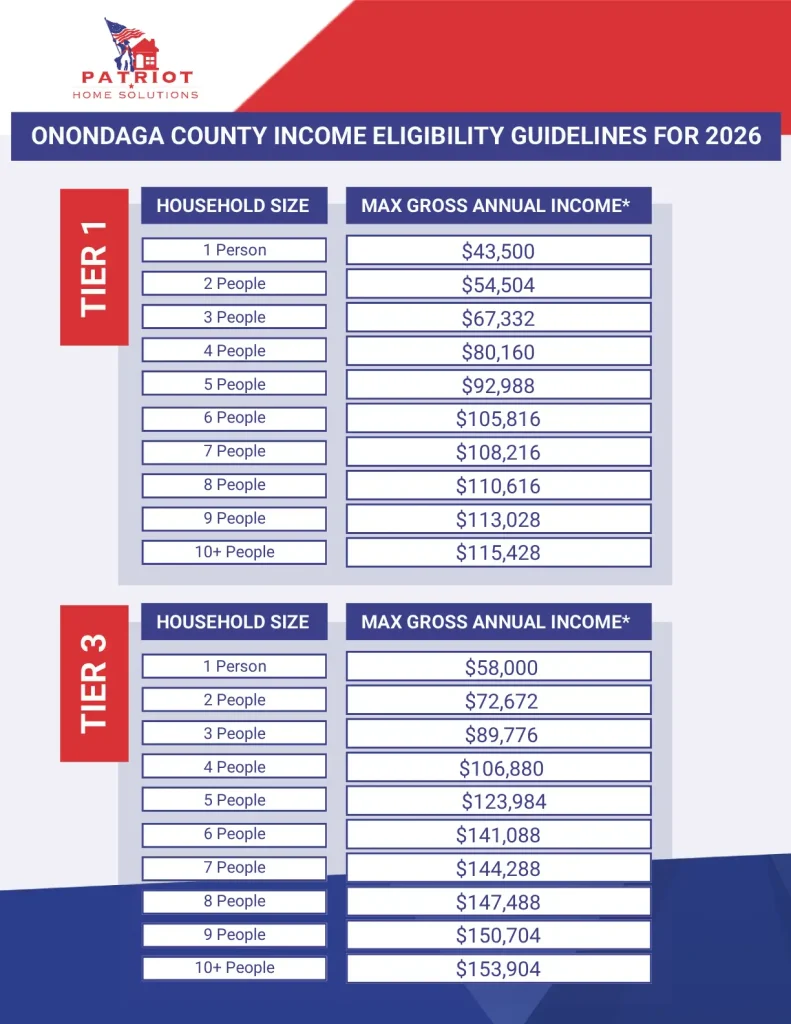
| EmPower NY | Energy upgrades at no cost to the homeowner | Income-qualifying NY households |
At every estimate visit, we check rebate eligibility with you, so you don’t have to wade through program fine print on your own. Many homeowners are surprised by what they qualify for.
Ready to Find Out What’s Driving Your Bill?
If your National Grid bill has been climbing and you’re not sure why, the best first step is a conversation with someone who can actually look at your home. Patriot Home Solutions serves homeowners across Central New York, including Syracuse, Liverpool, Baldwinsville, Fayetteville, Clay, Cicero, Manlius, Camillus, and the surrounding communities.
We’ll assess your windows, doors, roof, and insulation as a complete system, check your rebate eligibility, and give you a clear, honest picture of what’s costing you money and what will actually fix it. Contact us for a free quote today and take the first step toward a more comfortable, energy-efficient home.