
Table of Contents
Summary
Single-pane windows offer almost no insulation against Central New York winters, leading to high heating bills, cold rooms, interior condensation, and frame damage over time. One layer of glass has an R-value of roughly R-1, compared to R-3 or R-4 for a double-pane Low-E window with argon fill. In a climate with five-month heating seasons and January lows in the single digits, often below zero, that gap matters. NYSERDA and EmPower+ can both significantly reduce the cost of replacing your single-pane windows.
| Time to Read | ~ 6 minutes |
| What You’ll Learn |
|
| Next Steps |
|
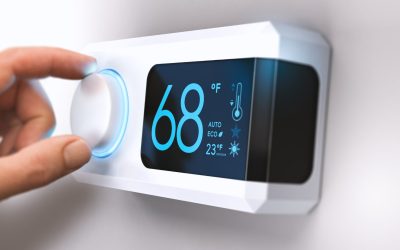
It’s a Tuesday morning in January, the furnace clicked on an hour ago, the thermostat says 68 degrees. But if you stand next to the window in the living room, you can feel cold radiating off the glass. Not a draft exactly, but a chill that makes that whole corner of the room uncomfortable, no matter what the thermostat reads.
If your home was built before 1980, there’s a good chance you have single-pane windows. And in Central New York, where January lows regularly drop between -4°F and 3°F, and the heating season runs roughly five months, single-pane glass is one of the most common and costly problems a homeowner can have.
At Patriot Home Solutions, we work with Central New York homeowners every day who are paying more than they should to heat their homes. Most of them had no idea their windows were the problem.
What Is a Single-Pane Window?
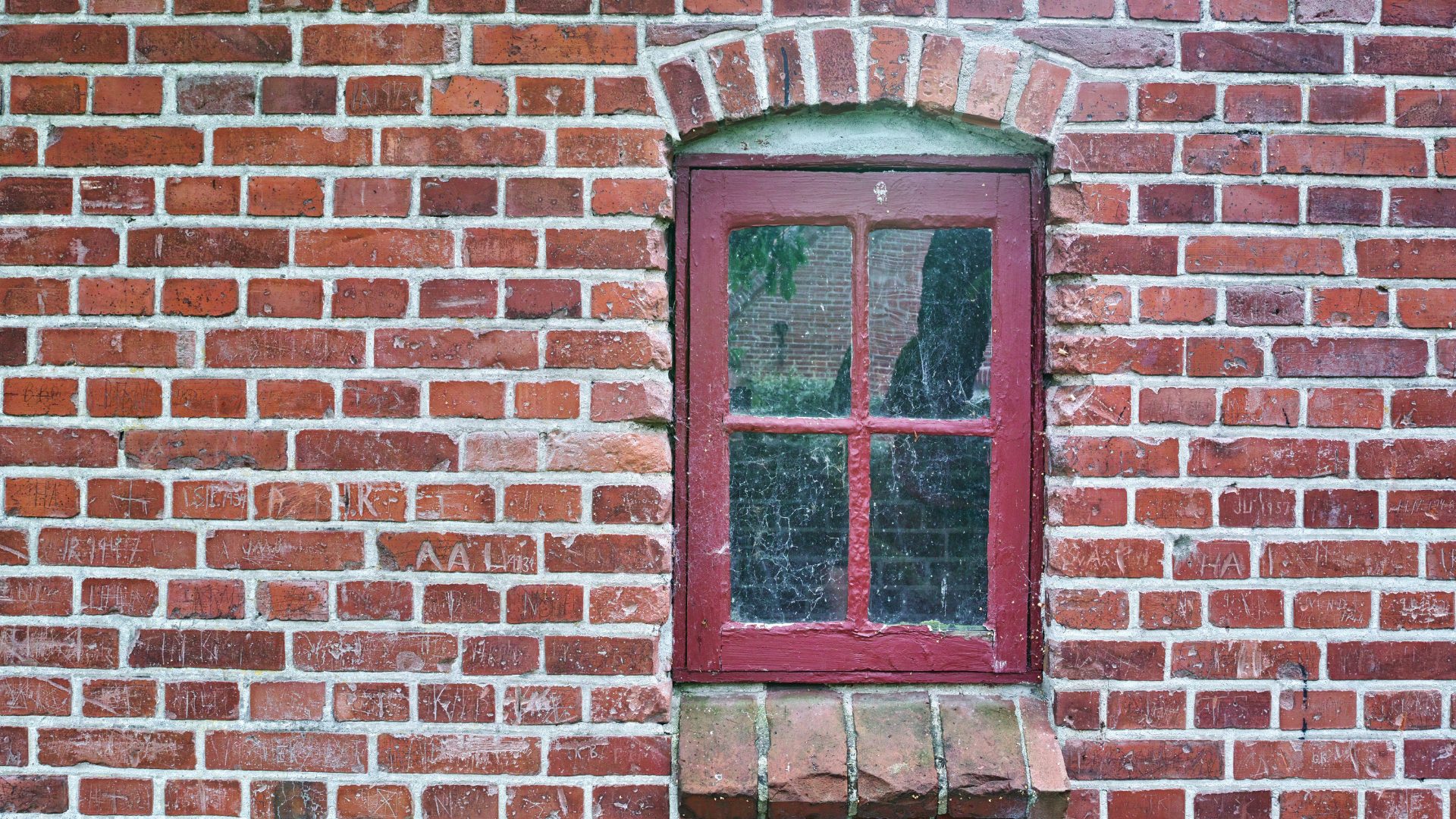
A single-pane window is exactly what the name suggests. It contains only one layer of glass, without a sealed air gap or gas fill between panes. Just glass, a frame, and whatever is between it and the outside air.
They were the standard for residential construction for most of the 20th century because they were inexpensive to make, easy to install, and perfectly adequate for a time when energy costs were low, and efficiency standards didn’t exist. Most homes built before the late 1970s had single-pane windows as the default.
In Central New York, that matters. The median home in Syracuse was built around 1958. In Utica, around 1947. A large share of the CNY housing stock was built during the single-pane era, and many of those windows have never been replaced.
Single-Pane vs. Double-Pane vs. Triple-Pane: How the Numbers Compare
Window performance is measured in two ways. The first is R-value, which is the resistance to heat flow (the higher, the better), and the second is U-factor, which is the rate of heat loss (the lower, the better). Let’s check out a quick comparison of single, double, and triple-pane windows:
| Window Type | R-Value | U-Factor | What It Means for Your Home |
| Single-pane | ~R-1 | ~1.0 | Almost no resistance to heat flow |
| Double-pane (standard) | ~R-2 | ~0.48 | Significant improvement over single-pane |
| Double-pane Low-E + argon | ~R-3 to R-4 | ~0.25-0.30 | Recommended for CNY climate; ENERGY STAR eligible |
| Triple-pane | ~R-5 to R-7 | ~0.15-0.20 | Maximum performance for extreme cold |
When January lows in Syracuse drop to single digits, the difference between R-1 and R-3 isn’t a technical footnote. It’s actually the difference between a comfortable room and a cold zone your furnace can’t fix or keep up with.
According to data collected by ENERGY STAR, replacing single-pane windows with certified double-pane windows can save you an average of 13 percent on heating and cooling costs.
Why Single-Pane Windows Are a Specific Problem in Central New York
The Winter Heating Burden
Central New York is a genuinely cold climate. That’s not a complaint (not all the time, anyway). But it is a fact that matters when evaluating your home’s windows. Here’s what you need to know:
- The heating season in Central New York runs approximately five months
- The average low in January for Syracuse is about 17 degrees Fahrenheit
- Wind chill from Lake Ontario makes it feel colder, especially in Oswego County and communities to the northwest
- Single-pane glass at these temperatures becomes a heat sink because it draws warmth from the room and forces the furnace to run longer to compensate
The result is higher National Grid and NYSEG bills, more wear on your heating equipment, and rooms that never quite reach a comfortable temperature.
The Freeze-Thaw Cycle Factor
Anyone who’s lived in Central New York for any amount of time knows that it’s not just the cold we have to contend with here. Our winters cycle repeatedly through freeze and thaw, freeze and thaw. That constant cycling stresses window frames, seals, and the glazing compound on older single-pane windows. Over time:
- Wood frames warp and pull away from the glass
- Glazing putty cracks and crumbles, creating air leaks
- The glass-to-frame joint loosens, letting cold air infiltrate
Double-pane windows use a factory-sealed insulated glass unit that is much more resistant to this kind of stress. Single-pane windows have no such protection.
Secondary Problems Caused by Single-Pane Windows
Condensation and Frost Damage
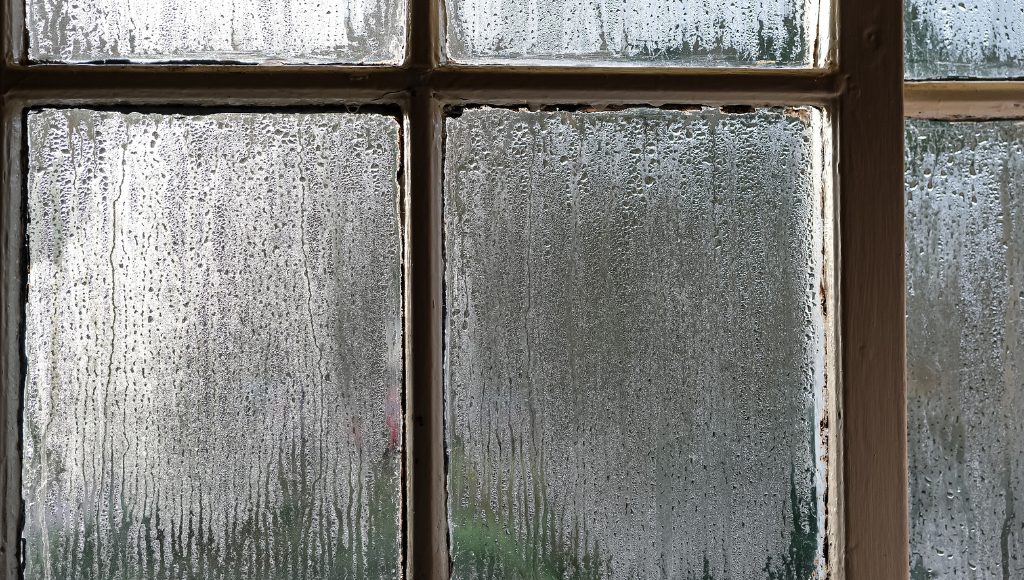
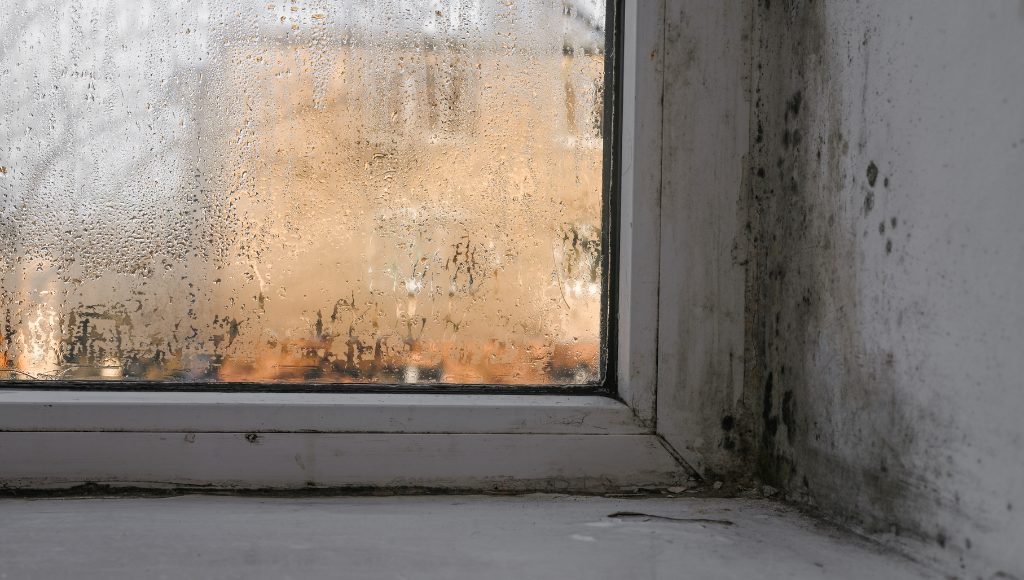
Single-pane windows have the tendency to get very cold in winter. When warm indoor air hits that cold glass surface, it causes condensation to form, and during colder stretches, that moisture will freeze into frost.
Over time, repeated exposure to moisture damages the wood trim, window sills, and surrounding drywall. But that’s not all you have to worry about. In many homes, that moisture creates rot around older windows, which can develop slowly and get mistaken for a separate leak or humidity issue.
Some homeowners are told to run a dehumidifier to fix this, but that’s only a band-aid solution that treats the symptom, not the source.
Sound Insulation
A second layer of glass with an argon-filled gap also reduces sound transmission, which can be especially important for homes near busy roads, like the Route 57 corridor in Liverpool, Erie Boulevard in DeWitt, or Route 31 in Clay. Replacing single-pane windows noticeably reduces road noise in rooms that face the street.
Radiant Cold
Even without a detectable draft, single-pane glass creates something called radiant cold. This occurs when the glass surface is cold enough to lower the perceived temperature of a room. Homeowners often try to compensate for this by raising the thermostat or avoiding certain rooms in winter, both of which cost money. Replacing single-pane windows eliminates this effect.
A Better Alternative to Single-Pane Windows

Double-Pane ENERGY STAR Windows With Low-E Glass and Argon Fill
For Central New York homes, this is the right replacement in most situations because these windows address several factors that eliminate the issues you see with single-pane glass.
- Double-pane: two layers of glass with a sealed chamber between them
- Argon fill: an inert gas injected into the sealed chamber that slows heat transfer better than air alone
- Low-E coating: a microscopically thin metallic coating on the glass that reflects heat back into the room in winter and blocks solar heat gain in summer
- ENERGY STAR Northern Zone certified: meets the U-factor threshold (0.22 or lower) required for federal tax credit eligibility
Triple-pane windows are also available and offer additional performance. For most Central New York homeowners, double-pane Low-E with argon delivers the best balance of cost and efficiency improvement.
Why Installation Quality Matters as Much as the Window You Choose
Even a high-performance window can underperform if it’s badly installed. Gaps around the frame, weak air sealing, or improper shimming at the rough opening can lead to drafts and reduce a lot of the window’s thermal performance.
Patriot installs windows using factory-trained technicians following manufacturer specifications. Every installation includes proper flashing, insulation of the rough opening, and sealing. If you have had windows replaced before and the rooms still felt drafty, poor installation is often why.
Rebates and Incentives for Window Replacement
The upfront cost of window replacement stops many Central New York homeowners from moving forward. What most don’t know is that multiple programs are available to reduce that cost. Patriot reviews eligibility at every in-home estimate, so homeowners don’t need to navigate this on their own.
NYSERDA Home Performance with ENERGY STAR
- Cash rebates up to $2,000 for qualifying energy improvements
- Requires a qualifying energy audit
- Patriot can coordinate the audit and window project together
EmPower+ (Formerly Empower NY)
- Free energy upgrades for income-qualifying households (at or below 80 percent of the area median income)
- Available across Onondaga, Oswego, Oneida, and surrounding CNY counties
- Patriot can pre-screen eligibility by phone before the estimate visit
At every estimate visit, Patriot checks the homeowner’s eligibility for NYSERDA and EmPower NY. No homeowner should leave money on the table because they didn’t know a program existed.
The Bottom Line
Single-pane windows were common for decades, but they perform poorly in Central New York winters, and they’re a major source of heat loss, drafts, cold interior surfaces, and moisture-related frame damage.
The upside is that replacement windows can make a huge difference. Homeowners often tell us that they see a marked improvement in comfort right away, and available rebates can reduce the overall project cost more than many people expect.If your home was built before 1985 and you haven’t replaced your windows, there’s a good chance you’re paying more than you need to every winter. A free in-home estimate takes about an hour and comes with no commitment to move forward. Schedule your estimate today and let our Patriot team assess your windows, check your eligibility for every available rebate, and walk you through your options honestly.