
Summary
In Central New York’s cold climate, choosing between double-hung and casement windows comes down to room use, exterior clearance, and installation quality more than style. Double-hung windows suit most CNY home styles and can be cleaned easily from the inside. Casements offer a tighter compression seal and better ventilation. Both perform well with Low-E glass and an argon gas fill, and both qualify for NYSERDA incentives when ENERGY STAR-rated. Many homeowners use a mix of both throughout the house.
| Time to Read | ~6 minutes |
| What You’ll Learn |
|
| Next Steps |
|
If you’ve started shopping for replacement windows in Central New York, you’ve probably already run into the style question: double-hung or casement? It sounds like a design preference, but in a climate where January lows average 17 degrees Fahrenheit and the heating season runs five months, it’s also a performance question.
The good news is there’s no wrong answer. Both styles can perform well in CNY homes. But the right choice depends on the room, your home’s architecture, and how the window is installed.
Thankfully, the experts at Patriot Home Solutions are here to show you exactly how each type works, where each one wins, and what actually matters most for keeping your home comfortable and efficient.
How Double-Hung Windows Work
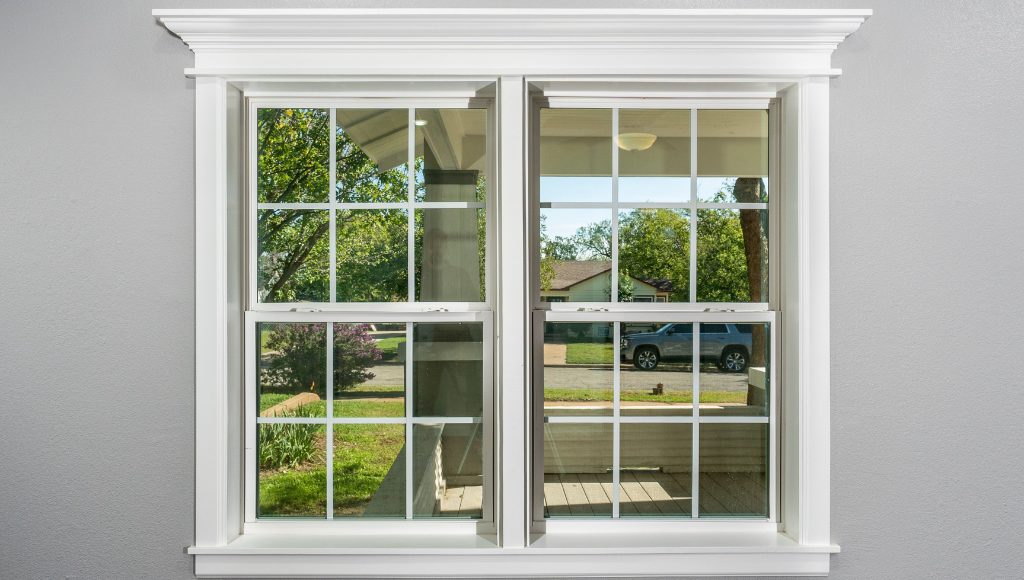
Double-hung windows are the most common window style in Central New York homes, and for good reason. They fit the Colonial, Cape Cod, and two-story housing stock that makes up a large share of homes in communities like Manlius, Fayetteville, and the older Syracuse neighborhoods built between 1950 and 1980.
The Basics:
- Two sashes (top and bottom) slide vertically within the frame
- Both sashes tilt inward for cleaning, which is a real advantage on second-floor windows or windows above a deck where you can’t safely reach from outside
- Compatible with traditional screens and storm windows
- Best suited to bedrooms, living rooms, dining rooms, and any space where exterior clearance is limited near walkways, decks, or landscaping
One honest limitation of double-hung windows is that they have a meeting rail where the two sashes meet in the middle of the frame. That rail is a second potential point of air infiltration, which is why modern weatherstripping and installation quality matter on this style.
How Casement Windows Work
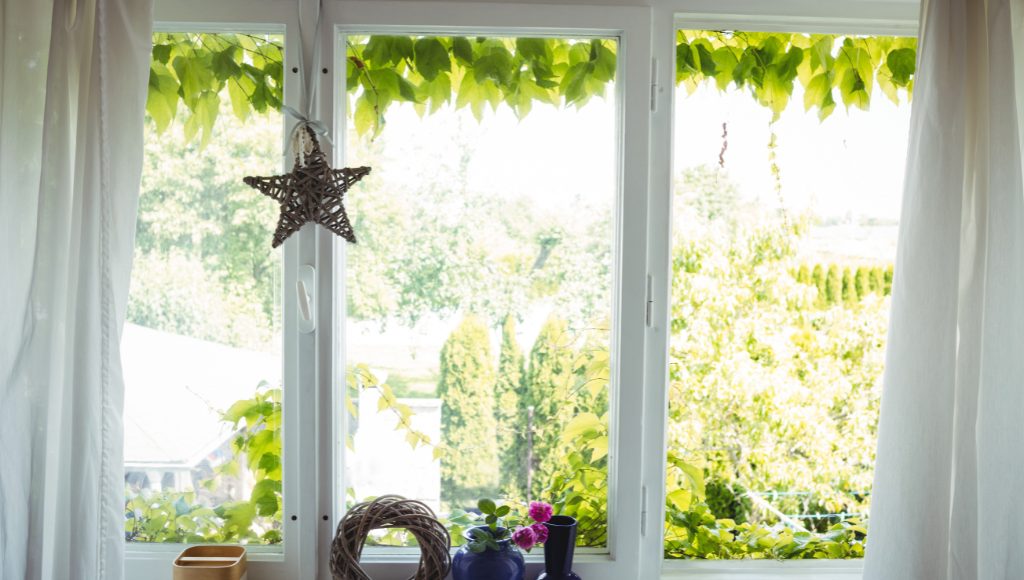
Casement windows operate differently from double-hung. A single sash is hinged on one side and swings outward using a hand crank. When the window is closed, the sash presses tightly against the frame on all four sides, creating a strong compression seal.
The Basics:
- Single sash, hinged on one side, opens outward with a crank
- A compression seal means the entire frame perimeter is engaged when closed
- The full sash opening means maximum ventilation when open
- Best suited to kitchens (especially over a sink where reaching to slide a sash is awkward), bathrooms, and rooms where cross-ventilation or maximum seal performance is the priority
Casements need clear exterior space to swing open. You wouldn’t install a casement directly over a patio table or a walkway where someone could walk into an open sash.
Energy Efficiency Head-to-Head

This is what most Central New York homeowners really want to know. Here’s an honest comparison.
| Factor | Double-Hung | Casement | Winner |
| Air infiltration (seal type) | Sliding seal | Compression seal | Casement (slight edge) |
| Ventilation when open | Partial (one sash) | Full sash opening | Casement |
| Compatibility with Low-E/argon glass | Yes | Yes | Tie |
| Works with storm windows | Yes | No (outward opening) | Double-Hung |
| Installation sensitivity | High | High | Tie |
| CNY climate performance (well-installed) | Excellent | Excellent | Tie |
Glass Package
Both window styles can be ordered with Low-E glass and argon gas fill, which are the two upgrades that make the biggest difference in energy performance. Low-E coating reflects heat back into your home during winter and blocks solar heat gain in summer. Argon gas fill between the panes slows heat transfer. Once you add those features, the gap between double-hung and casement narrows considerably.
ENERGY STAR-rated windows, in either style, can meaningfully cut heating and cooling costs. The EPA estimates that replacing single-pane windows with ENERGY STAR-qualified windows saves an average of 13% on heating and cooling bills.
Installation
Even a high-performing casement window can let in cold air if it’s installed with gaps in the rough opening or poor caulking. In many cases, the quality of the installation matters more than the window style itself.
Related Reading:
Why Installation Matters More Than Style
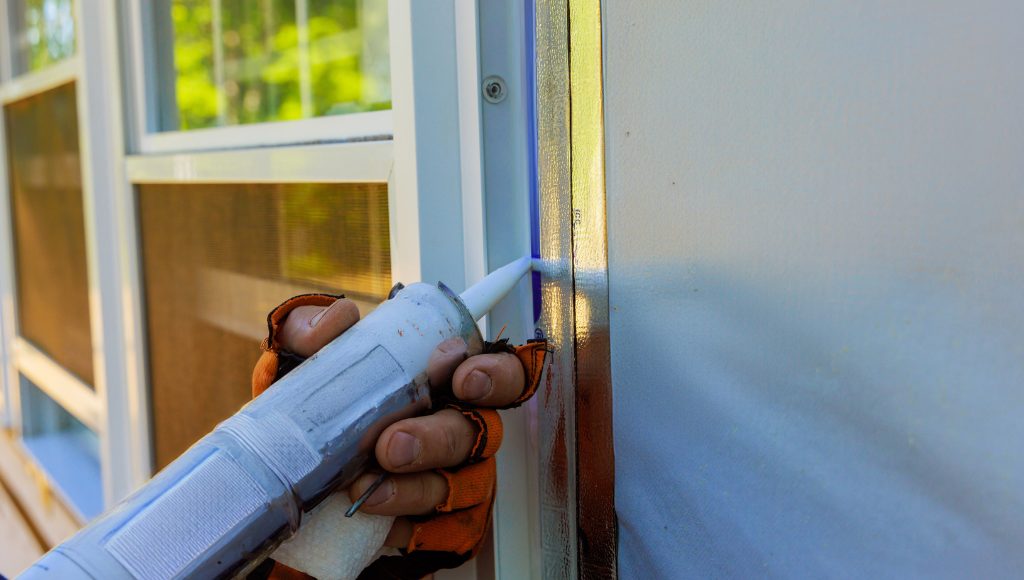
Here’s something a lot of window companies won’t tell you: the window itself is only one part of the equation. What surrounds the window and how it’s seated in the rough opening determine how much air actually gets through.
Common installation failures that cause drafts regardless of window style include:
- Gaps in flashing around the exterior frame
- Improper shimming that leaves the window out of level or plumb
- Missing insulation in the rough opening cavity
- Inadequate caulking at interior and exterior trim joints
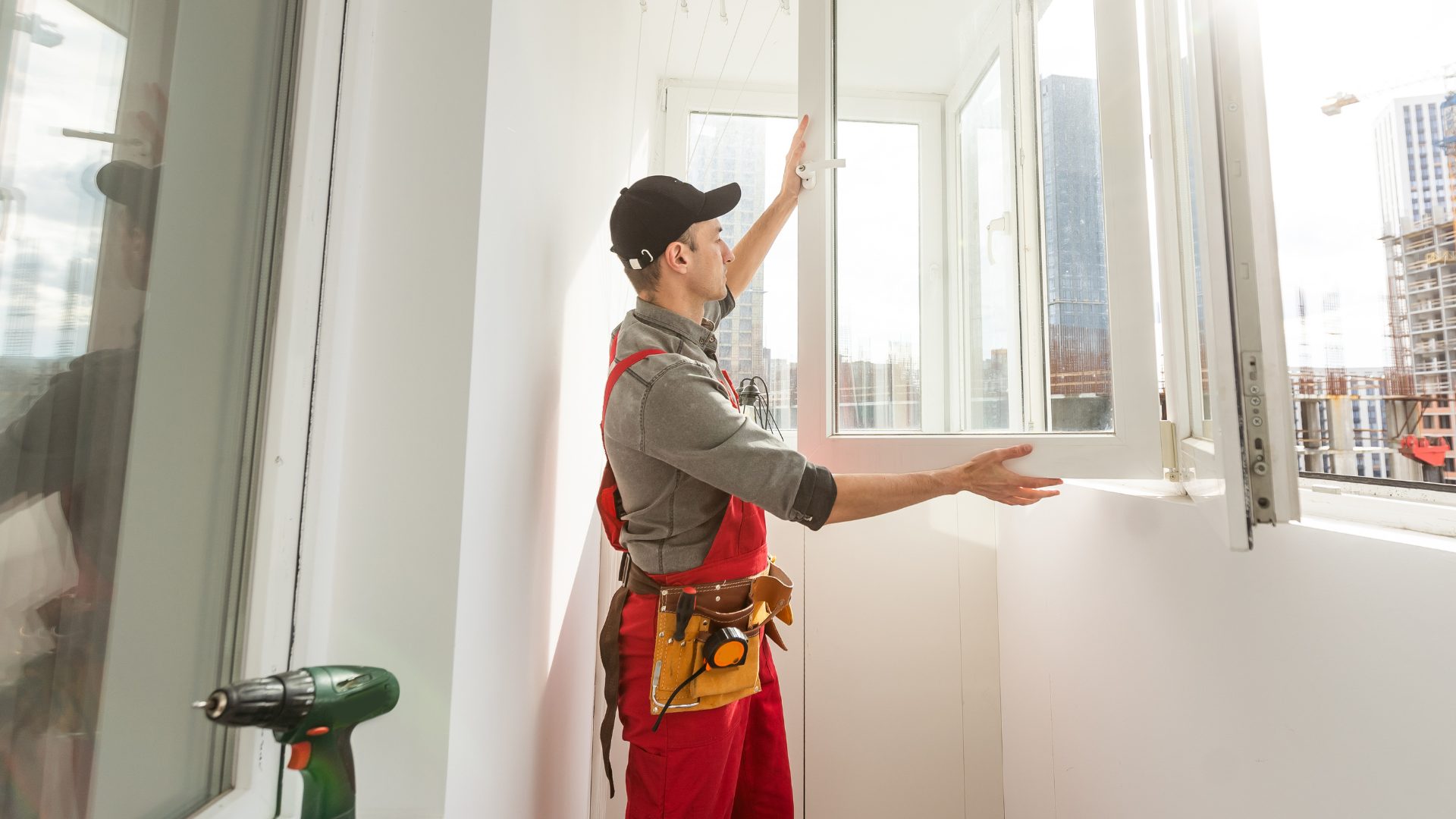
Patriot’s factory-trained technicians are trained on both window styles. The same preparation and sealing process applies to every installation, including proper rough opening prep, level and plumb setting, complete air sealing, and correct trim finish.
If you’re not sure how well your current windows are actually performing, a blower door test can show you exactly where air is leaking into the house. It pressurizes the home and locates every point of infiltration, so you’re replacing windows that actually need replacing. And after installation, a follow-up test confirms the problem is solved, not just assumed to be.
Most CNY Homeowners Mix Both Styles
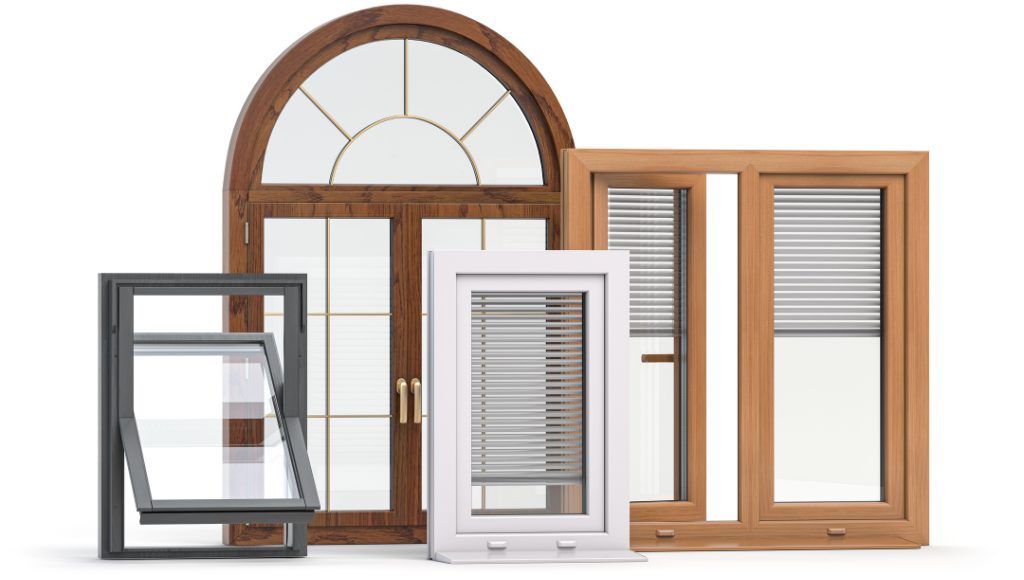
In many Central New York homes, we tend to see the same windows in the same places. Double-hung windows in most rooms, and casements in specific spots where the compression seal or full ventilation really matters.
Rules of Thumb for Window Choices:
- Double-hung in bedrooms, living rooms, and dining rooms because they have a traditional look, are easy to clean, and work well with screens
- Casement in the kitchen over the sink (where sliding a sash is awkward) and in bathrooms that need stronger ventilation
- Casement on a side of the house that catches the prevailing wind in spring and fall
Mixing styles isn’t a compromise. It’s matching the right window to the right room. During a free estimate, Patriot’s team will walk through your home, room by room, to help you figure out which style makes sense in each space, rather than pushing a single style across every opening.
Window Rebate & Energy Incentives
Double-hung and casement windows can both qualify for the same rebate and incentive programs when they carry ENERGY STAR certification. During every estimate visit, the experts at Patriot Home Solutions check your eligibility across all available programs to help you maximize savings and make the best decision for your home.
| Program | Amount | Notes |
| NYSERDA Home Performance with ENERGY STAR | Up to $2,000 | Cash incentive; requires a qualifying energy audit |
| EmPower+ (formerly EmPower NY) | $0 out of pocket | Free upgrades for income-qualifying households at or below 80% area median income; Patriot can pre-screen by phone |
These programs can significantly offset the cost of replacement windows, regardless of which style you choose.
The Bottom Line
There’s no universal right answer between double-hung and casement windows. The right choice depends on your home’s style, the specific room, available exterior clearance, and what you want to accomplish with the upgrade.
What does matter for every Central New York homeowner is choosing windows with the right glass package for this climate, and having them installed correctly. Both of those factors will do more for your energy bills and home comfort than the style choice alone.
Patriot Home Solutions offers free, no-obligation quotes for homeowners in Syracuse, Liverpool, Baldwinsville, Clay, Cicero, Manlius, Camillus, DeWitt, Oswego, and surrounding communities. During the visit, we’ll walk through your home, explain both options for each room, and check your eligibility for NYSERDA and EmPower+ before you make any decisions.